
Lately, I’ve noticed that I’m having more trouble staying positive.
That’s not something I say lightly, because this is the work I live and breathe. I also know I’m not alone in this. I’m hearing it from people across the wellbeing space.
Many of the traditional tools we’ve relied on for years just aren’t cutting through in the same way anymore.
The world we’re in has changed. There is more uncertainty, more noise, more pressure and more things outside of our control than many of us have ever experienced.
People are saying that they’re waking up feeling flat, tense, tired and pessimistic.
If this sounds familiar, you’re responding normally to an abnormal amount of uncertainty.
The nervous system is doing its job, scanning for threats before the day even begins.
Once that switch is on, it doesn’t turn itself off just because we tell ourselves to think differently.
I’ve had to be honest with myself that distraction, reframing, trying to stay upbeat, or mentally talking myself out of worry isn’t enough right now.
If your body still thinks you’re under threat, your mind will keep generating concern no matter how skilled you are at psychology.
What’s been far more effective for me has been working below the level of thought and directly with my nervous system, particularly re-engaging the parasympathetic system so the brain gets the message that it is safe.
The practice I’ve been using is simple and doesn’t require belief, motivation, or emotional insight.
It takes about ten minutes. I start with slow, resisted breathing, breathing in through my nose and breathing out long and controlled through pursed lips, almost as if I’m fogging a mirror.
That gentle resistance signals to the vagus nerve that the environment is not urgent.
I then use cold on the face, either a splash of cold water or a cool cloth over the cheeks and eyes.
It’s uncomfortable (only for a moment), but it rapidly shifts the nervous system out of fight-or-flight and into regulation.
After that, I step outside if I can and take a slow walk. Letting my arms swing, and my feet feel the ground.
Slow movement is one of the fastest ways to tell the lower brain that there is no need to mobilise for danger.
Finally, instead of asking how to fix everything or stop worrying, I ask myself one question. What needs my energy today, and what doesn’t?
I write one sentence, nothing more. That single question shifts the brain out of threat scanning and into prioritisation, which is where calm decision-making lives.
I’m sharing this because it’s a lonely place in business and leadership, with many people feeling isolated even in very busy lives.
If we don’t actively help our nervous system regulate, it will keep treating the world like a constant emergency. Ten minutes a day won’t solve everything, but it can stop the escalation.
There are practical ways to steady yourself that don’t rely on force, positivity, or distraction.
Let’s talk!
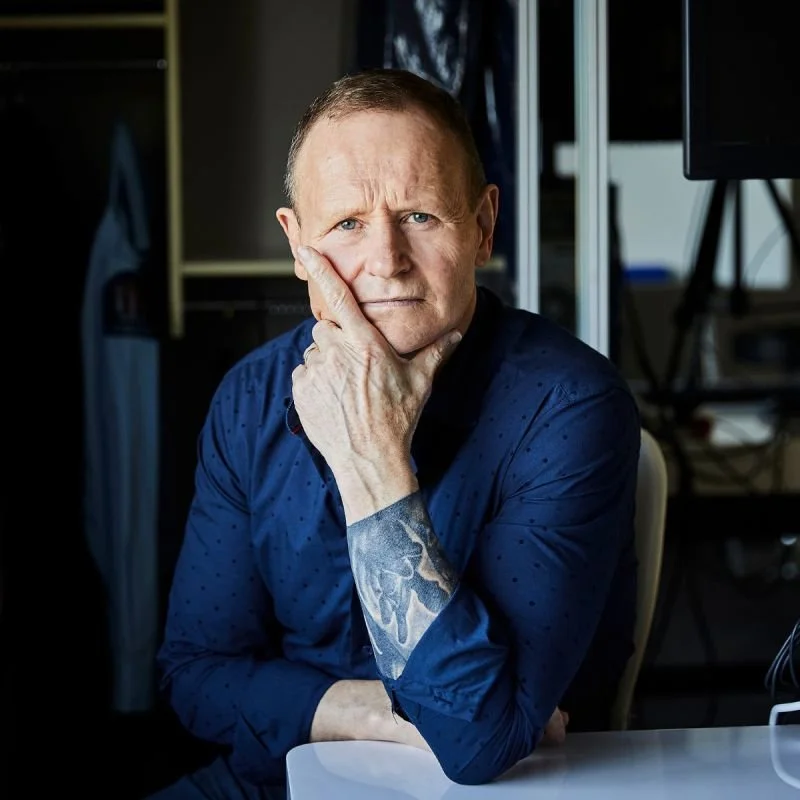
Having Trouble Staying Positive?