
Possibly one of the biggest misconceptions about traumatic events is that we should be able to control our emotions in the moment.
Neuroscience shows the opposite. When something overwhelming happens, the brain takes over:
🧠 The amygdala, our threat detection centre, fires instantly, triggering an involuntary survival response.
🧠 The prefrontal cortex, the part we use to regulate emotions, temporarily shuts down.
🧠 Adrenaline and cortisol surge through the body, pushing us into fight, flight, freeze, or dissociation.
So whatever emotion you showed during the event – whether fear, numbness, confusion, or silence - wasn’t a choice.
Afterwards, the brain begins a different process:
🧠 The hippocampus struggles to organise the memory clearly, which is why things feel fragmented at first.
🧠 The stress system can stay active for days or weeks, affecting sleep, irritability, and concentration.
🧠 Biological markers like cortisol and inflammation can remain altered for months. Your body remembers the event long after your mind thinks it should be “over it.”
Expressing emotion afterwards is not only normal, but also healthy.
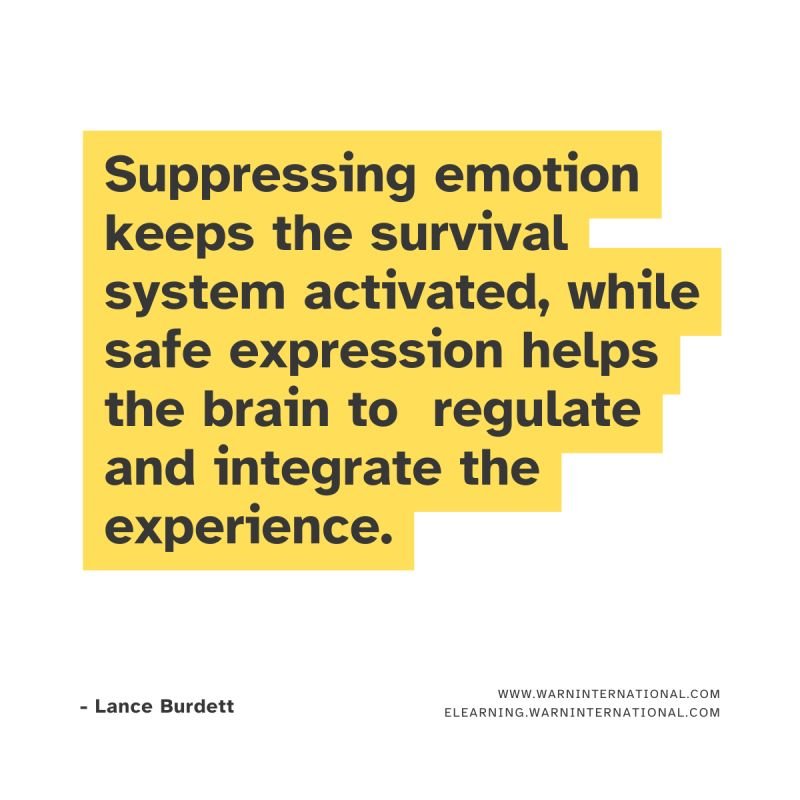
Research consistently shows that suppressing emotion keeps the survival system activated, while safe expression helps the brain re regulate and integrate the experience.
So, if you didn’t feel in control during the incident, that’s exactly how the human brain works.
If emotions surface days or weeks later, that’s recovery, not weakness.
If you’re still processing something months on, you’re not broken, you’re human.
I’ll share more neuroscience-backed tools for recovery in future posts.
Let me know what you’d like to see.
Let’s talk!
Controlling Emotions In The Moment.