
Over the past few years, I’ve worked alongside 35+ councils as their teams navigate devastating weather events and community tragedies.
Each time, the pattern is the same: people look outward at the destruction when the real storm often happens inside.
With the increasing frequency and intensity of weather events and critical incidents, many of us are carrying more emotional weight than we realise.
What can you expect in yourself, biologically and psychologically, as you go through and recover from significant events?
While every person’s psychological response is unique – our background, history, support, culture, resilience and experiences – our biological response is consistent.
When we face major stress or trauma, the body moves through a reasonably predictable sequence of changes over days, weeks, and months.
When danger hits, our brain goes into survival mode. Research shows the amygdala (the brain’s alarm system) becomes hyperactive, firing before we’ve had time to think.
At the same time, the body releases adrenaline and cortisol to heighten focus, increase heart rate, and prepare us to act.
This is biology doing what it was designed to do.
As the immediate threat passes, the body tries to regain balance, but it doesn’t always succeed quickly.
During this period:
🧠 The hippocampus (memory centre) struggles to organise the event clearly. This is why people often feel foggy or confused.
🧠 The prefrontal cortex (logic, planning, decision-making) remains partially offline — meaning our emotions can run ahead of rational thought.
🧠 The autonomic nervous system can remain on high alert, creating restlessness, irritability, or we may have trouble sleeping.
These reactions are usual; they’re your biology trying to find steady ground.
If the pressure continues, the body’s stress systems can remain alert, meaning recovery can take longer for council and emergency management teams, given how busy they are.
Research confirms that:
📝 The HPA axis (our stress-response engine) can become dysregulated with prolonged stress.
📝 Cortisol can drop below normal levels after extended strain, a sign of burnout or exhaustion.
📝 Immune system markers can change with inflammation increasing, and protective immune responses decreasing.
Even when people feel emotionally fine, their body remembers the event long after the danger is gone.
This is why some people, months later, feel fatigue, heightened emotional reactions, difficulty concentrating or sudden dips in motivation or confidence.
As the world throws more at us, our greatest challenge isn’t just rebuilding roads and repairing buildings.
It’s supporting people through the biological journey their mind and body go through afterwards.
When people understand what’s happening inside them, the fear reduces, the shame disappears, and healing can begin.
Every major event leaves a mark, but it’s also an invitation to pause, to connect and to support each other.
Let’s talk!
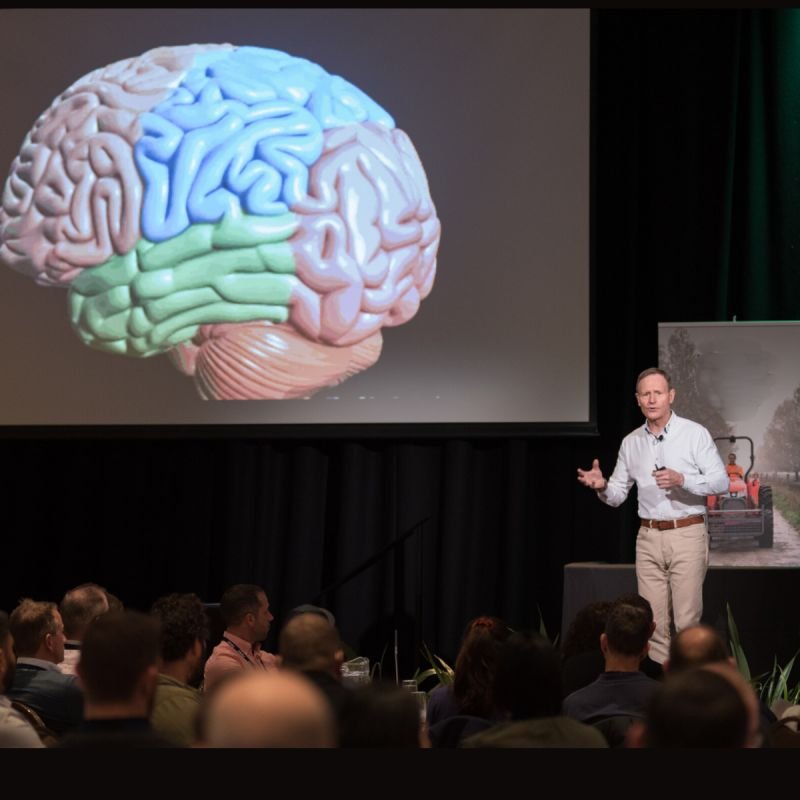
Our Biology is Mostly the Same!