
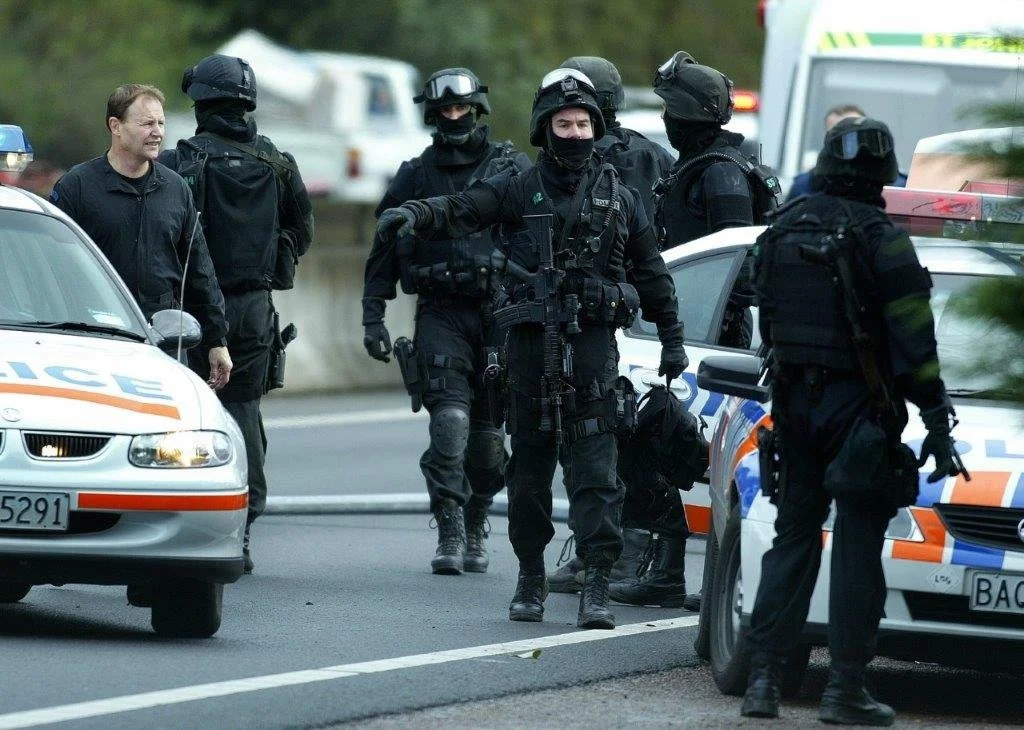
A question often posed in our workshops – what’s it really like to be a crisis negotiator; it must be scary.
Yes, it is scary because you are dealing with someone’s life. One wrong word or poor intonation can swiftly change a negotiation.
You have to think on your feet, any delay in reply can be turned against you.
In crisis negotiation, the stakes are life and death.
In business, the stakes are growth and survival.
Surprisingly, the principles are the same.
When I worked as a crisis and hostage negotiator, I learned that understanding leverage and risk determines success. Here’s the analogy:
Kidnap Situation: The person is held against their will; the offender already has what they want. It’s volatile, high-risk, and requires patience, empathy and trust-building. Business Parallel: Negotiating with a supplier who controls a critical resource, if you push too hard you risk losing everything.
Hostage Situation: The person is held against their will and is used as leverage to get something else. There’s room to manoeuvre, explore options and create solutions.
Business Parallel: Deals where both sides need something, a mutual dependency opens the door for collaboration.
Five Strategies for Business Negotiators:
1) Build value through relationships when leverage is one-sided.
2) Expand the pie by introducing new variables for win-win outcomes.
3) Mitigate risk with transparency and phased commitments.
4) Separate people from the problem, protect relationships while solving issues.
5) Use principled negotiation to preserve trust and create value.
Bottom line: Whether in a crisis or a boardroom, negotiation isn’t about winning, it’s about creating outcomes where everyone walks away safe, satisfied and ready for the next conversation.
Want to learn more?
Check out our WARN International Business Negotiation Programme.
We turn high-stakes principles into practical strategies for your business.
Let's talk!