The two most requested programmes we’re delivering right now are:
🔀 Managing change
🗣️ De-escalation
They’re seeing real impacts when change and escalating behaviour aren’t handled well:
📈 Increased conflict and complaints.
🥱 Fatigue and withdrawal from otherwise capable staff.
💥 More reactive decision making.
🚑 Leaders spending time managing fallout instead of leading.
When people don’t feel equipped to deal with what’s coming at them, emotionally or behaviourally, pressure can show up elsewhere.
De-escalation is about difficult interactions with the public, but it’s also about how people can regulate themselves under stress and recover faster after the interaction has passed.
Managing change is about teaching people to accept disruption, but it’s also about supporting them in maintaining confidence, clarity, and control as expectations, roles, or direction keep shifting.
The true value in our workshops shows when:
✅ People are able to respond instead of react.
✅ Conversations don’t spiral unnecessarily.
✅ Teams are supported to function despite uncertainty.
✅ Leaders have the ability to spend less time firefighting and more time leading.
That’s why we focus on practical behavioural shifts that people can apply immediately.
When organisations invest in supporting people with the tools to manage pressure in the moment, the benefits extend well beyond change or conflict.
Let’s talk!
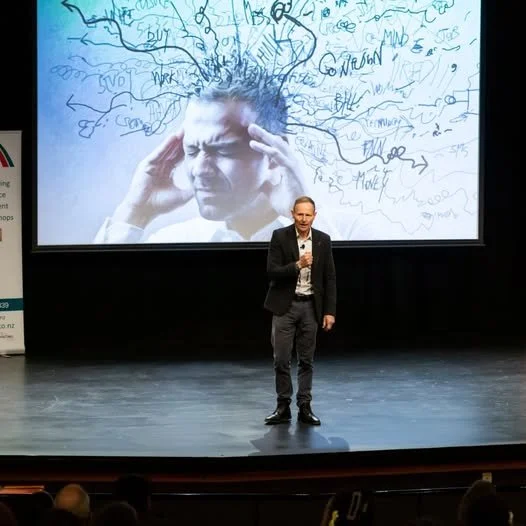
The Two Most Requested Workshops.